WHAT WE DO
What is Compliance Management?
In recent years, environmental concerns have led to a significant increase in the number and scope of compliance imperatives across all regulatory environments. Being closely related, environmental concerns and compliance activities are increasingly being aligned with corporate performance goals.
How compliance management is addressed can have a substantial impact on achieving business targets and profitability. For effective compliance management within a business, the following is applicable:
- Knowing the relevant legislation and how it applies to your business
- Developing a cost effective and legally compliant programme for the environment management of your business
- Consistently maintaining and developing this environmental management programme into the future to ensure continual compliance with ever changing environmental regulatory requirements.


Licencing & Permitting
The Industrial Emissions Directive (2010/75/EU) is Environmental Legislation aimed at reducing emissions from industrial production processes. This directive is a recast of the seven previous Commission Directives that covered Industrial Emissions. A review of these resulted in their merging to ensure clearer environmental benefits and consistent application of Best Available Techniques (BAT) across member states is achieved.
The PPC Regulations (as amended) convert the Industrial Emissions Directive into Northern Ireland Legislation. The Industrial Emissions Directive establishes a general EU-wide framework for the control of the main industrial activities, to help to control and limit pollution. The Pollution Prevention and Control (Industrial Emissions) Regulations (Northern Ireland) hereafter referred to as the PPC (IE) is a regulatory system that employs an integrated approach to control the environmental impacts of certain industrial activities.
Waste disposal and recovery activities in Ireland are required to hold an authorisation in accordance with the Waste Management Act 1996 as amended. Depending on the authorisation required, these activities are controlled either by the Environmental Protection Agency (EPA) or by Local Authorities within their own areas. The EPA regulates all non-exempted Local Authority waste facility activities.
The main purpose of the waste collection permit system is to ensure that waste collectors are known to regulatory bodies and that they only handle wastes they are authorised to manage. In the Republic of Ireland, to undertake waste collection activities, waste collection permits must be sought. If you transport controlled waste, or as a broker, arrange the transport of controlled waste, in Northern Ireland you need to be registered with the Department of Agriculture, Environment and Rural Affairs (DAERA).
Waste disposal and recovery facilities are required to hold an authorisation in accordance with the Waste Management Act 1996 as amended. Depending on the authorisation required, these activities are controlled either by the Environmental Protection Agency (EPA) or by Local Authorities within their own areas. The EPA regulates all non-exempted Local Authority waste facility activities.
An Authorised Treatment Facility (ATF) is a facility that can accept and treat End-of-life vehicles. In Northern Ireland, ATFs are approved and regulated by the Northern Ireland Environment Agency (NIEA), whereas in the Republic of Ireland they can be approved and regulated by the EPA or Local Authority.
A discharge licence is required where trade effluent is discharged to either a public sewer, surface water or groundwater body. Trade effluent is a wastewater that is discharged from a facility used for the carrying on of any trade or industry but does not include domestic sewage or storm water discharges.
Compliance Reporting
An Environmental Management System (EMS) is a systematic approach to managing your organisation’s impacts on the environment. Having and following an EMS is voluntary, however organisations with an EMS have an explicit commitment to continual environmental improvement.
Setting up an EMS will provide your organisation with a framework through which its environmental performance can be controlled and improved.
Waste Management Plans (WMP) are prepared to ensure that the management of waste during the construction or operational phases of a facility is undertaken in accordance with current legal and industry standards. Overall a waste management plan aims to provide a robust strategy for storing, handling, collection and transport of wastes generated from a facility.
The purpose of a Construction Environmental Management Plan (CEMP) is to outline how a construction project will avoid, minimise, or mitigate effects on the surrounding environment.
CEMP’s often detail the implementation of measures in accordance with environmental commitments outlined in; an environmental statement, an environmental policy or environmental plan, requirements of planning conditions or other legislative requirements.
An Annual Environmental Report (AER) is a requirement for Environmentally licenced activities to provide a summary of the environmental performance of a facility for the previous year. The AER will include monitoring information on all emissions to water, air and ground as well as information on waste and resource consumption.
EPA licenced facilities generally contain conditions within their licence that outline what emissions are required to be monitored and the frequency with which they should be monitored. The frequency with which they require to be monitored can vary from being weekly, monthly or every two months, for example.
The Environmental Liability Directive (2004/35/EC) as amended aims to prevent and remedy environmental damage and to reinforce the ‘polluter pays’ principle, making an operator that causes environmental damage legally and financially liable for the damage caused and the subsequent remediation.
Closure Restoration Aftercare Management Plan (CRAMP) are developed to address the key issues which will occur in the event of both a planned and unplanned closure. For most sites, closure will mean the cessation of production activities followed by the decommissioning, cleaning, and rendering safe of the facility.
In general environmental internal audits are the regular examination of your business operating methods and comparing them against those set out in your environmental management system (EMS) manual. These can be reviews of procedures and areas of operation and are designed to assess effectiveness.
Waste requires appropriate storage and robust disposal, recycling, and recovery options, as poor practices can result in potential risks to human health and the environment. The classification of whether a waste is hazardous or non-hazardous requires the skills and knowledge of an experienced professional who understands the behaviour and toxicity of chemicals.
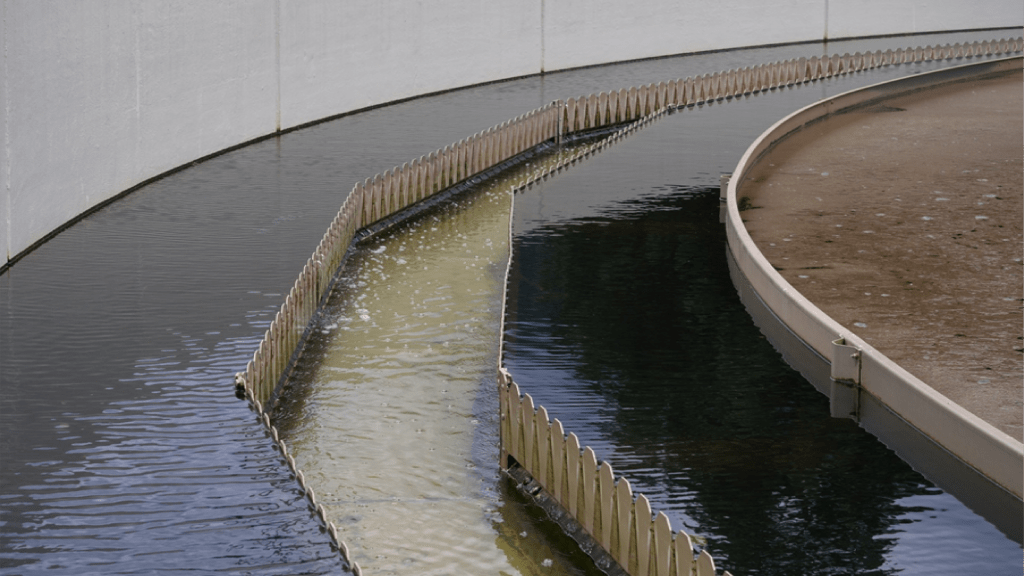
Wastewater Treatment Plant Management is more important now than ever to ensure environmental compliance and that water as one of our most important resources is no longer degraded.
Whether you own, operate, or manage a municipal or industrial facility that produces wastewater, it is important to understand how significant of a role wastewater treatment can play in the overall health of a business and the surrounding environment.